
Support Your Child’s Progress with Neurofeedback Developmental Delay Therapy
Watching your child navigate a developmental delay can bring up a lot of worry, hope, and a determination to give them every possible support.
Neurofeedback for speech delay and broader developmental support is a non-invasive, drug-free brain training approach that works directly with your child's nervous system, helping build the focus and emotional regulation that often underpin learning and communication progress.
At Executive Brain Mastery, we work alongside your child's speech pathologist, occupational therapist, or early intervention team, supporting the nervous system side of their development journey. It's a valuable addition to a well-rounded developmental support plan, and many families tell us it's made a real, visible difference.
How Neurofeedback Supports Developmental Progress
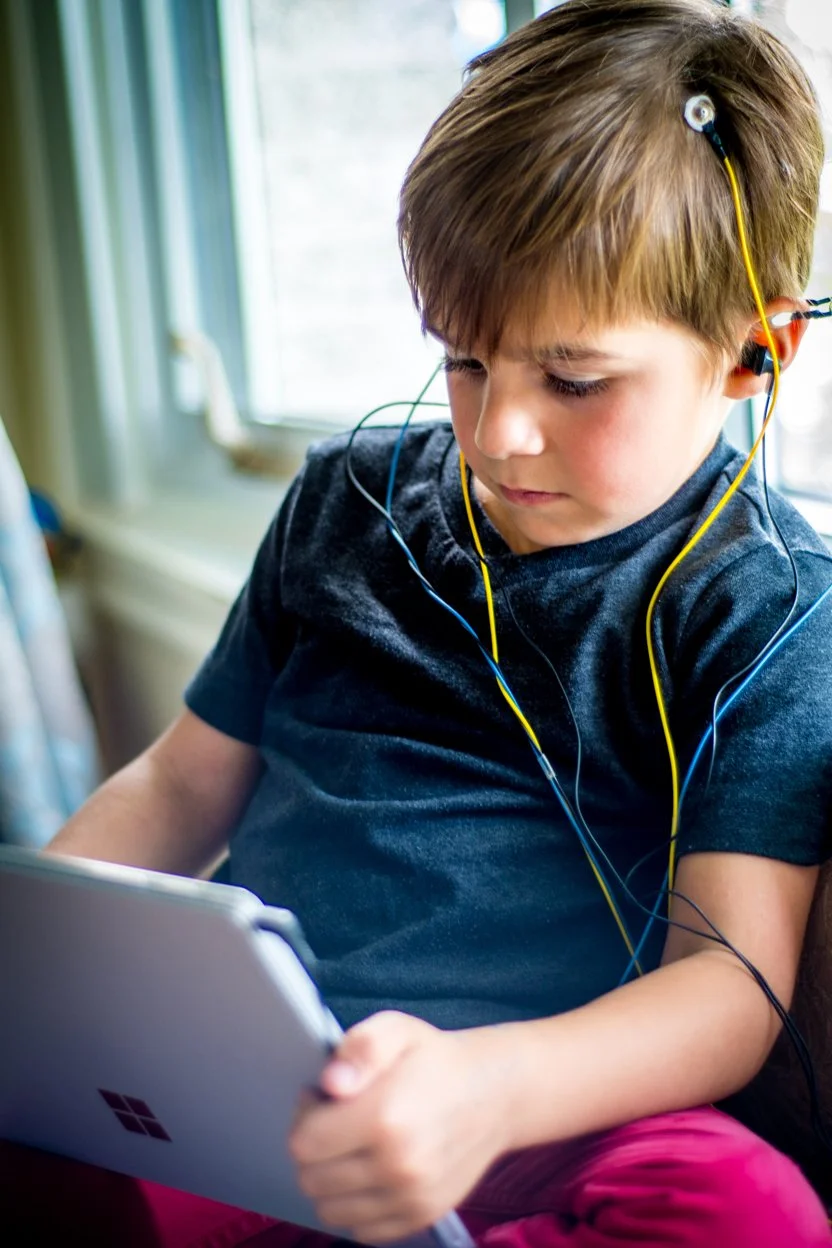
Neurofeedback for developmental delay works by measuring your child's brain activity and providing gentle, real-time feedback, encouraging patterns linked to focus, emotional regulation and nervous system stability.
Sessions are calm and non-invasive. Your child simply relaxes and listens to music while their brain does the learning. Many families notice their child seems calmer, more focused, and more able to engage with therapy and learning more broadly, which is exactly what developmental delay therapy aims for.
Working Alongside Your Child's Existing Team
Speech pathology, occupational therapy and early intervention remain the right places to directly address speech and developmental milestones, and we're not speech pathologists ourselves.
What neurofeedback offers is complementary support for the nervous system side of development, and many families find it helps their child get more out of the therapy they're already doing. This can work well alongside a child development clinic Sydney families already attend, as part of a broader developmental delay treatment plan.
Getting Started
Your first visit is a relaxed conversation about your child and what you're hoping to achieve. We'll explain exactly what a session looks like and how it fits alongside your child's existing support team.
A Note on Diagnosis and Your Child's Care Team
We're not speech pathologists, and neurofeedback isn't a substitute for speech therapy for toddlers or early intervention services.
If your child hasn't yet been assessed, we'd always recommend starting there, a speech pathologist or paediatrician is best placed to guide direct treatment. Neurofeedback is designed to sit alongside that care, supporting your child's nervous system as part of the bigger picture.

Frequently Asked Questions
-
Neurofeedback may help some children with skills that support communication, such as higher brain fuctioning, attention, emotional regulation, sensory processing and learning readiness. Every child is different, so outcomes vary. Many families choose neurofeedback alongside speech pathology and other therapies as part of a broader support plan.
-
Developmental delay treatment generally refers to a range of allied health supports, such as speech therapy for toddlers, occupational therapy and early intervention programs, aimed at helping a child reach developmental milestones. Every child's plan looks different depending on their specific needs. Neurofeedback is a valuable addition alongside these services, supporting the nervous system side of your child's progress.
-
No formal diagnosis is required to start neurofeedback. That said, if you have concerns about your child's development, we'd always recommend speaking with your GP, paediatrician or a speech pathologist first, since they're best placed to assess and guide developmental delay treatment directly.
-
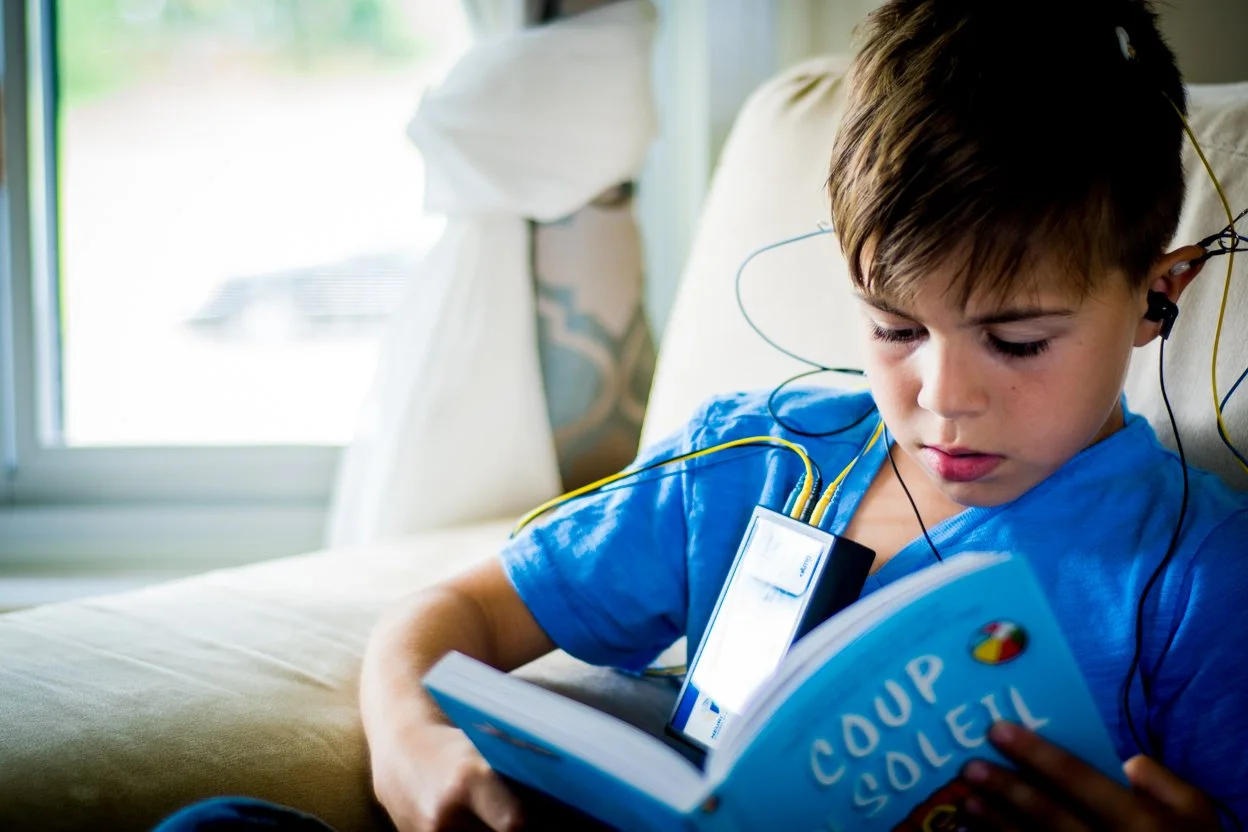
Yes, neurofeedback is non-invasive, gentle and considered safe for children. Sessions don't involve needles, medication or anything entering the body, just sensors placed on the scalp and ears while your child relaxes and listens to music.
-
Yes, and this is exactly where neurofeedback tends to add the most value. Many families use neurofeedback for speech delay as meaningful support alongside their child's existing speech pathology or early intervention team, helping their child arrive at therapy calmer and more focused.
-
A good child development clinic Sydney families can trust will usually involve a team of allied health professionals working together, such as speech pathologists, occupational therapists and paediatricians. Neurofeedback fits alongside that team, supporting the nervous system side of your child's progress.
Let’s Work Together