
Neurofeedback for PTSD and Trauma
A Different, Non-Invasive Path Forward
If trauma or PTSD are still shaping your daily life, with intrusive memories, being constantly on edge, and a nervous system that never quite settles, please know that healing is possible, and there's more than one evidence-informed way to get there.
Neurofeedback for PTSD is a non-invasive, drug-free brain training approach that works directly with your nervous system, without requiring you to relive or talk through what happened.
At Executive Brain Mastery, we've supported many clients through trauma recovery using neurofeedback for PTSD as either their primary approach or alongside other support they're already receiving. If you've been researching trauma therapy or PTSD treatment in Sydney, we're glad you found us, and we'd love to explain how neurofeedback fits into the picture.
Why Clients Choose Neurofeedback for PTSD and Trauma
Neurofeedback for trauma works by measuring your brain's own activity and providing gentle, real-time feedback that encourages calmer, more regulated patterns over time. Unlike trauma-focused talk therapies, it doesn't require you to describe or process the traumatic event itself, which many clients find to be a relief. You simply relax and listen to music while your nervous system does the recalibrating.
Some clients come to us wanting brain training for PTSD as a complete, standalone approach. Others are further along in their own trauma treatment Sydney journey and simply want extra support alongside what they're already doing.
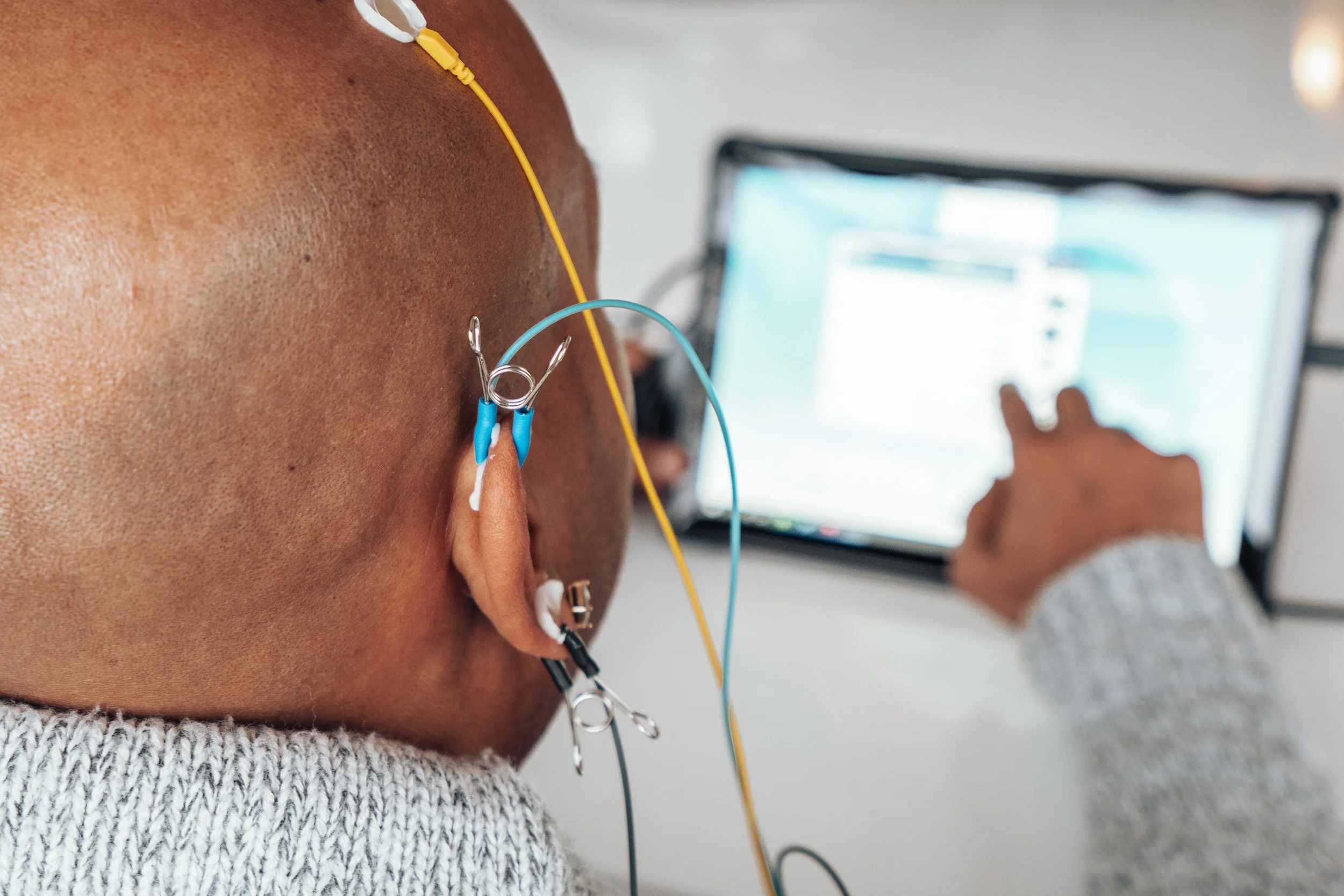
How Neurofeedback Compares to Trauma Counselling and EMDR Therapy
If you've been researching trauma counselling in Sydney, you've probably come across several different approaches.
Traditional trauma counselling is conversation-based and depending on your needs, it may include approaches such as EMDR therapy or trauma-focused CBT. Neurofeedback works differently. Rather than focusing on discussing or reprocessing memories, it works directly with brainwave activity to help support a calmer, more regulated nervous system.
If you've looked into EMDR therapy in Sydney, it's worth knowing that neurofeedback is based on a different principle. There is no memory reprocessing and no requirement to describe traumatic experiences. For some people, that makes neurofeedback an appealing option.
Many of our clients continue seeing their trauma therapist while using neurofeedback alongside their existing care. Others choose neurofeedback as their primary approach. Both are evidence-informed options, and the right choice depends on your individual needs and goals.

Nervous System Support Built for Recovery
For people looking for a non-invasive way to support recovery after trauma, neurofeedback offers an approach that works with the nervous system without relying on medication or requiring you to revisit difficult memories. Many clients tell us they felt their trauma recovery became more manageable once they found an approach that focused on supporting their nervous system.
Whether you're exploring PTSD therapy in Sydney for the first time or you're already receiving PTSD counselling and want additional support, neurofeedback can be tailored to your individual needs. Sessions are designed around where you are in your recovery, rather than following a one-size-fits-all program.
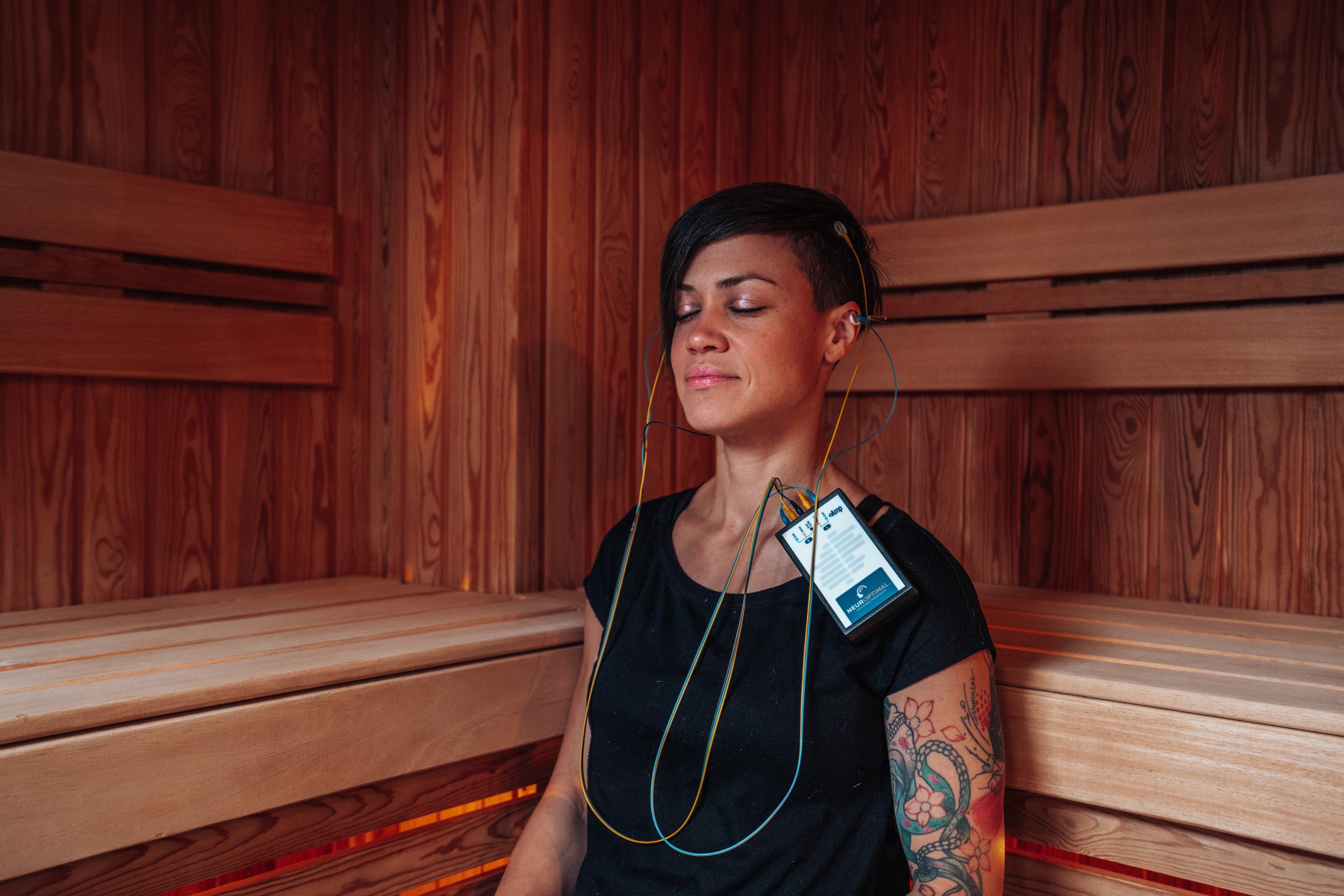
Getting Started With Trauma Recovery
Your first visit is a calm, unhurried conversation. There's no pressure to share details you're not ready to talk about. We'll explain exactly what to expect from neurofeedback for PTSD, and how it fits into the wider picture of PTSD support in Sydney, then map out a realistic path forward together.

Choosing Your Path
Executive Brain Mastery does not provide clinical diagnoses or trauma talk therapy. If you haven't yet spoken with your GP, a psychologist or a trauma therapist about what you're experiencing, that's an important first step. Many of our clients combine neurofeedback with care from other health professionals.
If you're still exploring trauma therapy in Sydney, neurofeedback may be one option to include in your broader support plan. Some people choose neurofeedback as their primary form of support, while others combine it with psychological therapy or other trauma treatments. The right approach depends on your individual needs, and we're here to support whichever path you choose.

Frequently Asked Questions
-
Complex PTSD (C-PTSD) describes PTSD that develops after repeated or prolonged trauma, such as ongoing childhood abuse or domestic violence, rather than a single event. Alongside the core symptoms of PTSD, it often brings extra challenges with emotional regulation, self-worth and relationships. A GP or psychologist can provide a formal diagnosis, and many people find neurofeedback offers nervous system support after trauma, whether used alone or as part of broader ptsd treatment Sydney options.
-
Only a registered psychologist, psychiatrist or GP can diagnose PTSD, but common signs include experiencing intrusive memories, avoidance, heightened alertness and disrupted sleep after a traumatic event. If this sounds familiar, we'd encourage a proper assessment, and neurofeedback can be a valuable part of your PTSD support journey from there.
-
PTSD can be recognised as a disability in Australia in certain circumstances, including for NDIS or Centrelink purposes, depending on its severity and impact on daily functioning. This is determined through a formal assessment process. If PTSD is significantly affecting your work or daily life, it's worth discussing with a GP or disability advocate, and exploring non-invasive ptsd support like neurofeedback alongside that conversation is a reasonable next step.
-
Complex trauma refers to exposure to multiple or prolonged traumatic events, often interpersonal in nature, such as ongoing abuse or neglect. It can affect emotional regulation, memory, relationships and sense of self more broadly than a single-incident trauma. Neurofeedback for trauma is something many clients use as a central part of recovering from complex trauma, precisely because it works with the nervous system directly rather than requiring you to revisit the events themselves, and many tell us it's given them real momentum in their trauma recovery.
-
Yes. Many of our clients use neurofeedback for ptsd as their main approach to trauma recovery and see real, meaningful change, while others combine it with trauma therapy or PTSD counselling in Sydney. It's an evidence-based, non-invasive option, not just an add-on, whether you think of it as brain training for PTSD or simply a different path forward, and we'd love to talk through whether it's the right fit for you.
Let’s Work Together